How to Mix and Match Vintage Nightstands with Modern Beds: A Masterclass in Eclectic Style
In the world of interior design, few trends offer as much personality and timeless appeal as the art of mixing vintage and modern elements. It’s a design philosophy that celebrates history while embracing contemporary comfort, creating spaces that feel lived-in, unique, and deeply personal. Today, we’re diving deep into one of the most impactful ways to achieve this look: pairing vintage nightstands with modern beds. This isn’t just about throwing two disparate pieces together; it’s about thoughtful curation, understanding design principles, and creating a bedroom sanctuary that tells your unique story.
A bedroom should be a retreat, a reflection of your individual style, and a place of ultimate comfort. While a sleek, modern platform bed offers clean lines and minimalist appeal, adding a vintage nightstand can introduce a layer of warmth, character, and intrigue that a purely modern setup might lack. The contrast can be striking, sophisticated, and surprisingly cohesive when done right.
Why Embrace the Mix & Match Approach?
The allure of blending old with new extends beyond mere aesthetics. It’s a sustainable choice, giving new life to pre-loved furniture. It’s an expression of individuality, allowing you to curate a space that truly stands apart. And it’s a testament to good design, proving that quality craftsmanship, regardless of era, can transcend time.
- Uniqueness: Your bedroom won’t look like it came straight out of a catalogue.
- Character & Soul: Vintage pieces bring a sense of history and warmth.
- Sustainability: Repurposing furniture is eco-friendly.
- Budget-Friendly Options: Often, vintage pieces offer incredible value for their craftsmanship.
- Visual Interest: The juxtaposition creates dynamic tension and depth.
Understanding Your Vintage Nightstands: A Style Guide
Before you start pairing, it’s crucial to understand the characteristics of different vintage styles. Each era brings its own unique aesthetic that can inform your choices.
Mid-Century Modern (1940s-1960s)
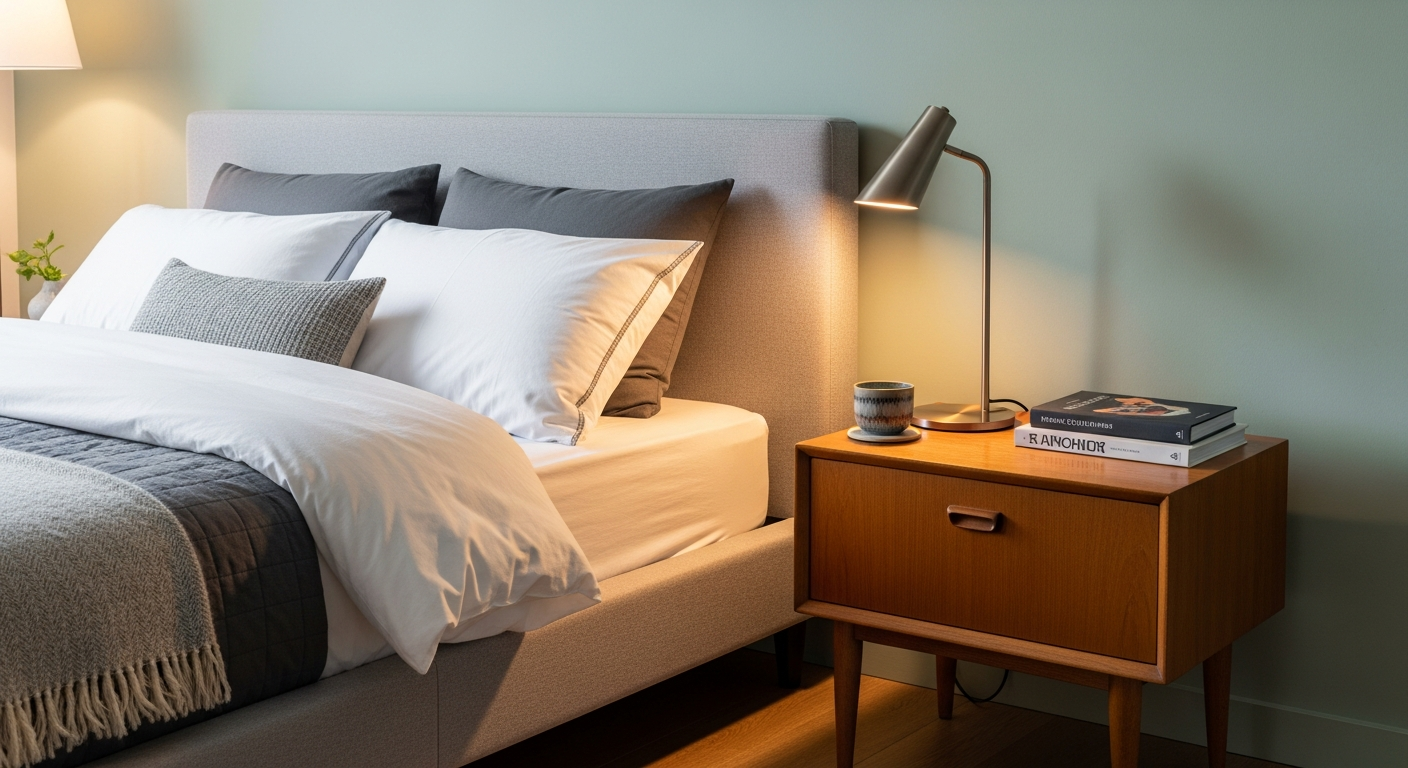
Characteristics: Clean lines, organic shapes, tapered legs, minimalist hardware, often made from teak, walnut, or rosewood. Think functionality meets sleek design.
Why it works: The inherent simplicity and elegant lines of a Mid-Century Modern nightstand make it a natural complement to many contemporary beds. Its timeless appeal allows it to blend seamlessly without clashing.
Art Deco (1920s-1930s)
Characteristics: Geometric patterns, luxurious materials (lacquer, chrome, exotic woods), mirrored surfaces, bold colors, and a sense of glamour and opulence.
Why it works: An Art Deco nightstand can inject a dose of Hollywood Regency flair and dramatic contrast into a minimalist bedroom, creating a focal point of refined elegance.
Victorian/Baroque (Late 19th Century)
Characteristics: Ornate carvings, dark woods (mahogany, oak), heavy proportions, decorative hardware, often with marble tops. Grand and formal.
Why it works: This pairing is for the bold. A heavily detailed Victorian nightstand against a simple, contemporary bed creates a fascinating dialogue between eras, best balanced with restraint in other decor.
Shabby Chic/Farmhouse (Late 20th Century Revival)
Characteristics: Distressed finishes, pastel colors, soft curves, often painted wood, romantic and rustic charm.
Why it works: A shabby chic or farmhouse style nightstand can soften the austerity of an ultra-modern bed, introducing a cozy, lived-in feel and a touch of nostalgic comfort.
Industrial (Early 20th Century / Modern Revival)
Characteristics: Raw materials like metal (iron, steel), reclaimed wood, exposed hardware, utilitarian design, often with a raw, unfinished look.
Why it works: The ruggedness of an industrial nightstand can add an edgy, urban contrast to a sophisticated upholstered bed, bringing an unexpected texture and masculinity.
Bohemian/Eclectic (Global Influences)
Characteristics: Often made from rattan, bamboo, carved wood, or featuring global patterns. Characterized by a relaxed, free-spirited, and well-traveled aesthetic.
Why it works: A bohemian rattan nightstand pairs wonderfully with modern beds, especially those with natural linen or neutral upholstery, adding warmth, texture, and an organic touch.
Understanding Your Modern Beds: A Style Guide
Modern beds prioritize clean lines, functionality, and often, understated elegance. Knowing their characteristics helps in selecting the right vintage counterpoint.
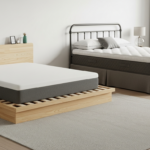
- Platform Beds: Low profile, often without a box spring, minimalist design, can be wood, upholstered, or metal.
- Upholstered Beds: Feature fabric-covered headboards and sometimes frames, offering softness and luxury.
- Minimalist Beds: Extremely simple, often with thin frames and no ornate details, focusing on functionality.
- Floating Beds: Designed to give the illusion of hovering above the floor, very contemporary and sleek.
- Canopy Beds (Modern Interpretation): Often with thin, metal frames, not the heavy draped versions of old, providing architectural interest.
The Art of Pairing: Design Principles for Success
Mixing styles isn’t random; it’s an art rooted in foundational design principles. Master these, and your bedroom will sing.
1. Balance & Symmetry (or Intentional Asymmetry)
While traditional bedrooms often feature identical nightstands, a mix-and-match approach thrives on breaking this rule. You can use two different vintage nightstands if they share a common element (e.g., height, material, color, or a similar ‘feeling’). Or, pair one vintage nightstand with a simple, modern side table on the other side. If going asymmetrical, ensure the overall visual weight feels balanced. For instance, a heavier, ornate vintage piece on one side might be balanced by a simpler piece with a larger lamp on the other.
2. Scale & Proportion
This is paramount. A tiny, delicate nightstand will be swallowed by a grand, king-sized upholstered bed, and a bulky, oversized vintage piece will overwhelm a minimalist Japanese-style bed. Ensure your nightstand is proportionate to the bed and the height of the mattress. The top of your nightstand should ideally be level with or slightly below the top of your mattress for functional and aesthetic comfort.
3. Color Harmony & Contrast
You can create harmony by selecting pieces with similar color palettes or complementary tones. For contrast, choose a nightstand in a completely different color, but ensure it’s part of a broader color scheme. For example, a dark wood vintage nightstand can ground a light-colored modern bed, or a vibrant painted piece can inject a pop of color into a neutral room.
4. Texture Play
This is where the magic happens! A rough-hewn wooden vintage nightstand next to a plush, velvet upholstered bed creates a delightful tactile contrast. A mirrored Art Deco piece reflects light and offers a smooth, glamorous counterpoint to a linen bed. Don’t underestimate the power of texture to add depth and interest.
5. Material Matters
Mix materials thoughtfully. Metal, wood, glass, lacquer, rattan – each brings its own character. A metal-framed modern bed might be beautifully offset by a warm wooden vintage nightstand. Or, a wooden modern bed could find intrigue with a chrome and glass Art Deco piece. Look for materials that complement each other rather than fighting for attention.
6. Bridging the Eras with Accessories
Accessories are your secret weapon. A modern lamp on a vintage nightstand, or a vintage alarm clock on a contemporary side table, can serve as visual bridges between the two eras. Artwork, books, and decorative objects can further tie the look together.
Practical Strategies for Mixing Like a Pro
Start with a Cohesive Color Palette
Even if styles differ, a consistent color palette will unite your space. Choose 2-3 main colors and build around them. This doesn’t mean everything has to match perfectly, but rather that the colors work harmoniously together.
Anchor the Room with a Rug
A well-chosen area rug can ground the entire bedroom and pull together disparate elements. A plush neutral bedroom rug can provide a soft base that allows both your modern bed and vintage nightstand to shine, creating a sense of cohesion.
Lighting as a Unifier
The right lighting can bridge stylistic gaps. Consider modern table lamps on vintage nightstands or vintage-inspired lamps on contemporary ones. The light fixture itself can be a statement piece that speaks to both aesthetics.
Curate Thoughtfully
Avoid clutter. Let your chosen pieces breathe. Each item on your nightstand should be there for a reason, whether functional or decorative. A minimalist approach to styling the nightstand itself can help a busy vintage piece feel less overwhelming.
Consider the Overall Room Aesthetic
Think about the other furniture in the room. Are there other vintage pieces? Modern ones? The nightstand and bed pairing should ideally fit within the broader design narrative of the room, even if it introduces an intentional contrast.
Comparison Table: Inspired Pairings
| Modern Bed Style | Vintage Nightstand Style | Why It Works | Key Elements to Balance |
|---|---|---|---|
| Minimalist Platform Bed (Wood or Metal) | Mid-Century Modern Nightstand | Clean lines and functional design complement each other; both value simplicity. | Ensure wood tones are complementary; maintain similar height proportions. |
| Upholstered Bed (Linen/Velvet) | Art Deco Mirrored Nightstand | Soft textures meet glamorous shine; creates luxurious contrast. | Use cohesive color palette; balance ornate details with simpler bedding. |
| Floating Bed (Sleek, Contemporary) | Industrial Metal & Wood Nightstand | Architectural modernism meets raw, urban edge; creates dynamic tension. | Match metal finishes; ensure nightstand isn’t too bulky for ‘floating’ effect. |
| Scandi-Style Bed (Light Wood) | Bohemian Rattan/Wicker Nightstand | Natural materials and organic textures create a warm, inviting, airy feel. | Keep other decor light and earthy; use plants to enhance natural vibe. |
| Contemporary Canopy Bed | Shabby Chic Painted Nightstand | Modern structure with romantic, rustic charm; unexpected and whimsical. | Balance scale; use soft textiles to bridge the styles; avoid overcrowding. |
Common Pitfalls to Avoid
- Ignoring Scale: The biggest mistake. A tiny nightstand beside a grand bed looks awkward.
- Too Many Competing Statement Pieces: If your bed is a showstopper, your nightstand might need to be more understated, or vice-versa.
- Clashing Colors or Woods: While contrast is good, clashing hues or wildly different wood tones that don’t complement can create an unsettling effect.
- Over-accessorizing: Let the furniture speak for itself. A few well-chosen items are better than a cluttered surface.
- Neglecting Practicality: Does the nightstand provide enough surface area and storage for your needs? Functionality should not be sacrificed for style.
Caring for Your Vintage Treasures
Once you’ve found your perfect vintage nightstand, proper care is essential to preserve its beauty. For wooden pieces, regular dusting and occasional polishing with a gentle wood furniture polish can keep them looking their best. For items with unique finishes like lacquer or metal, research specific cleaning methods to avoid damage. Always test cleaning products on an inconspicuous area first.
FAQ: Mixing Vintage Nightstands & Modern Beds
Q1: Can I use two different vintage nightstands with my modern bed?
A: Absolutely! This is a hallmark of eclectic design. To make it work, ensure they share a unifying element, such as similar height, material (e.g., both wood, even if different styles), color family, or a consistent level of formality. Alternatively, you can embrace asymmetry fully and balance visual weight with lamps or accessories.
Q2: How do I ensure my vintage nightstand doesn’t look out of place next to a very modern bed?
A: Focus on bridging elements. Use accessories (lamps, books, trays) that have a contemporary feel on the vintage piece. A consistent color palette throughout the room can also unite disparate styles. Most importantly, ensure the scale and proportion are correct – a well-proportioned piece will always look intentional.
Q3: What if my vintage nightstand is a different wood tone than my modern wood bed frame?
A: This can create beautiful depth! The key is to ensure the wood tones complement each other rather than clash. Warm woods (like teak or cherry) generally pair well with other warm woods. Cool woods (like ash or gray-toned oaks) complement similar tones. Sometimes, a stark contrast (e.g., very dark vintage wood with very light modern wood) can be stunning. If unsure, consider a bedroom area rug to unify the floor space and provide a neutral base.
Q4: Should the hardware on the nightstand match the bed?
A: Not necessarily. The beauty of mixing and matching is in allowing different eras to coexist. The hardware on your vintage nightstand can be a charming detail that highlights its age. If you’re concerned about cohesion, you can sometimes update vintage hardware to a more modern pull or knob, but often, embracing the original hardware adds to the character.
Q5: Where are the best places to find vintage nightstands?
A: Look for them at flea markets, antique shops, estate sales, online marketplaces (Etsy, eBay, Facebook Marketplace), consignment stores, and even some thrift stores. Be patient; finding the perfect piece can take time, but it’s worth the hunt!
Conclusion: Craft Your Dream Bedroom
Mixing vintage nightstands with modern beds is more than a design trend; it’s a statement of style, sustainability, and personal expression. By understanding the characteristics of different eras, applying fundamental design principles, and curating with intention, you can create a bedroom that is not only beautiful and functional but also uniquely yours. Embrace the journey of discovery, let your personality guide your choices, and enjoy the rich narrative that unfolds when old meets new in perfect harmony. Start your design adventure today and transform your bedroom into a true masterpiece of eclectic elegance!
Ready to Transform Your Space?
Explore our curated selection of modern beds and start envisioning your perfect mix-and-match bedroom. Don’t forget to visit your local vintage shops or browse online for those unique nightstand treasures!